If we wrote down every winter repair call we've made in the Treasure Valley and asked "could this have been prevented in October?" the answer would be yes about eight times out of ten. Boise's freeze-thaw cycle is rough on homes — temperatures swing from 50°F at noon to 15°F overnight, and back up again. That oscillation, repeated thirty or forty times across a winter, finds every weak spot in the building envelope.
The good news: a single Saturday in mid-October takes care of most of it. Here's the full checklist, broken into the order that makes sense.
Plumbing (Do This First — It's the Most Expensive to Get Wrong)
Disconnect all garden hoses
If there's one thing on this list you do nothing else, do this. A connected hose creates a closed system between the hose and the interior pipe. When the water inside freezes and expands, the pipe inside the wall splits — not the hose. You discover it in March when you flood your living room.
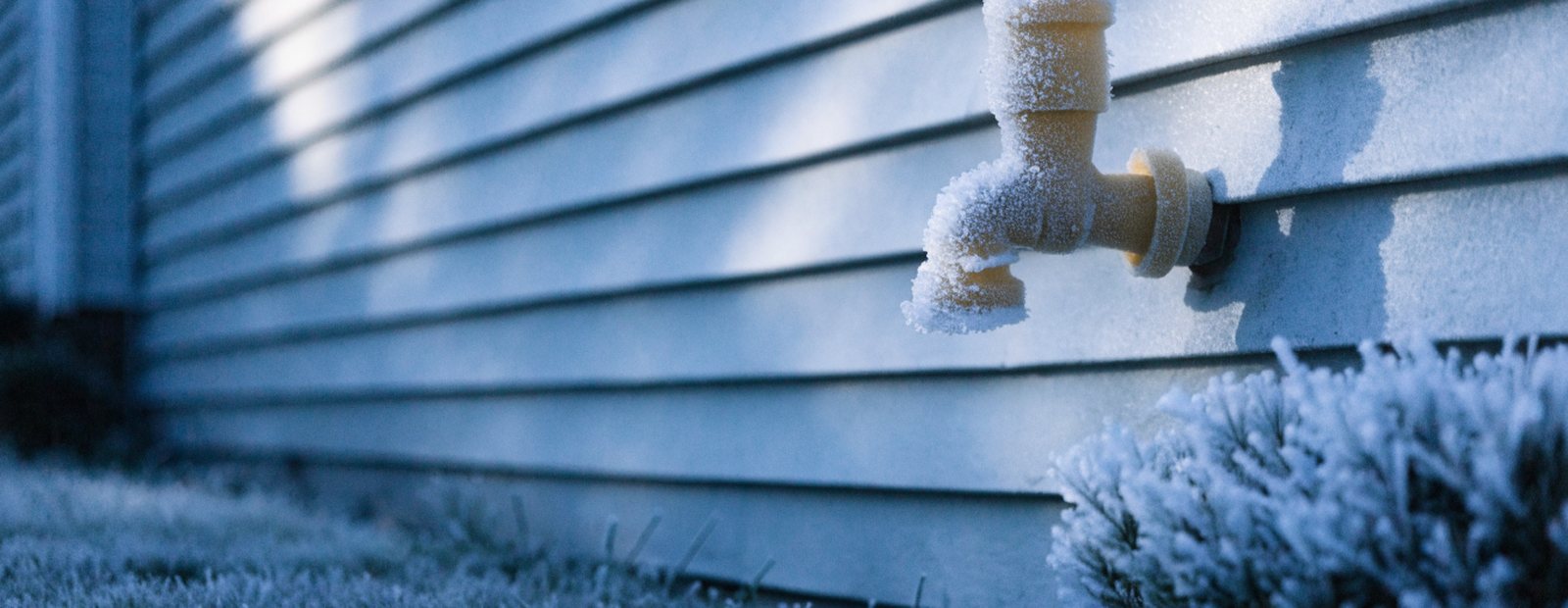
Insulate exterior faucets
Foam covers cost $3 each at the hardware store. Snap them on. If you have frost-free hose bibs (modern Treasure Valley builds usually do), still cover them.
Have your sprinkler system blown out
By October 25. Not after. Don't roll the dice on a late freeze — a split backflow valve is one of the most common (and most avoidable) winter repair calls in the valley. Most local irrigation companies book out fast, so schedule the blowout early.
Insulate pipes in unheated spaces
Crawl space, garage, exterior wall runs. Foam pipe sleeves at the hardware store, $1–3 per length. Older Boise homes (especially North End and Bench) often have copper or galvanized lines running through uninsulated crawl spaces. Those are the lines that burst in a cold snap.
Locate your main water shutoff
Right now. Walk down to the basement or crawlspace and find it. Make sure the valve actually turns. If it's seized, fix that before you need it at 2am.
Heating
Replace the furnace filter
A clogged filter restricts airflow, which makes the furnace work harder and shortens its life. October is the right time. Then again in January. Once more in March if you want to be a hero.
Schedule a furnace tune-up
HVAC techs book solid by November. If your furnace hasn't been serviced in two seasons, do this in September or early October. A $120 service visit catches problems that become a $1,500 repair when it fails on Christmas Eve.
Test the thermostat
Run a quick test cycle to confirm the furnace fires. Listen for unusual noises. If you have a smart thermostat with a battery backup, replace those batteries now.
Reverse ceiling fans
Most fans have a small switch on the motor housing. Flip it so the blades push warm air down in winter. Run on low.
The Building Envelope
Clear gutters
After the leaves drop. Ice dams form on roofs with clogged gutters, and ice dams cause some of the most expensive winter repairs in the Valley — water backs up under shingles, gets into the attic, and ruins drywall ceilings.
Check the roof
From the ground with binoculars is fine. Look for missing or curled shingles, especially on south-facing slopes. If you see daylight through any vent or chimney flashing, that's an ice dam waiting to happen.
Seal exterior gaps
Walk around the house. Look at every penetration — hose bibs, gas lines, electrical conduits, dryer vents, AC line set entries. Anywhere you see a gap larger than a pencil, hit it with exterior caulk or expanding foam. Mice find these gaps in October. Cold air finds them all winter.
Check weatherstripping
On every exterior door. If you can see daylight at the corners with the door closed, replace the weatherstripping. $8 fix. Pays for itself in heating bills before March.
Window film for old single-panes
If you've got original windows in an older Boise home, a $25 shrink-film kit cuts drafts noticeably. Won't make them efficient, but will make them livable.
The Yard and Outdoors
- Drain and store hoses inside (not in the garage if the garage gets below freezing)
- Store outdoor cushions, throw pillows, and any patio fabric items inside
- Drain decorative water features completely; freeze water expansion will crack ceramic and concrete
- Cover the AC condenser if you have one — or at minimum a piece of plywood on top to keep snow load off the fan
- Trim back tree branches over the roof and driveway before they snap under snow
- Stock up on ice melt (calcium chloride, not rock salt — easier on concrete and pets)
Inside the House
- Test smoke and CO detectors. Replace batteries even if they're not chirping yet.
- Make sure egress windows in basements aren't blocked by snow drifts (most aren't yet, but plan where snow gets shoveled to)
- Check the fireplace damper closes fully — open dampers can cost $30 a month in heating bills
- If you have a chimney and use it, get a chimney sweep before December. Sweeps book out.
- Run the dryer vent brush. Dryer vent fires spike in winter when warm dryers run more often.
- Vacuum behind the refrigerator. Coil dust + a fridge working harder in a cold garage = burned-out compressors
The 45-minute version
If you only have one Saturday morning before the freeze: disconnect hoses, insulate exterior faucets, swap furnace filter, clear gutters, schedule the sprinkler blowout, and walk the exterior caulking gaps. That's the 80/20.
Things to Schedule (Not Just DIY)
Some winterization tasks are worth handing off:
- Sprinkler blowout (high-CFM compressor required)
- Furnace tune-up
- Chimney sweep
- Roof inspection if you can't safely get up to look
- Crawl space vapor barrier and pipe insulation if you've never had it done
We handle the handyman-side of this list across the Valley — caulking, weatherstripping, pipe insulation, dryer vent cleaning, gutter clearing, and general fall maintenance. If you'd rather give the whole list to someone for a couple hours, we can do that too. For specific repair questions, see our DIY vs. call-a-handyman guide.