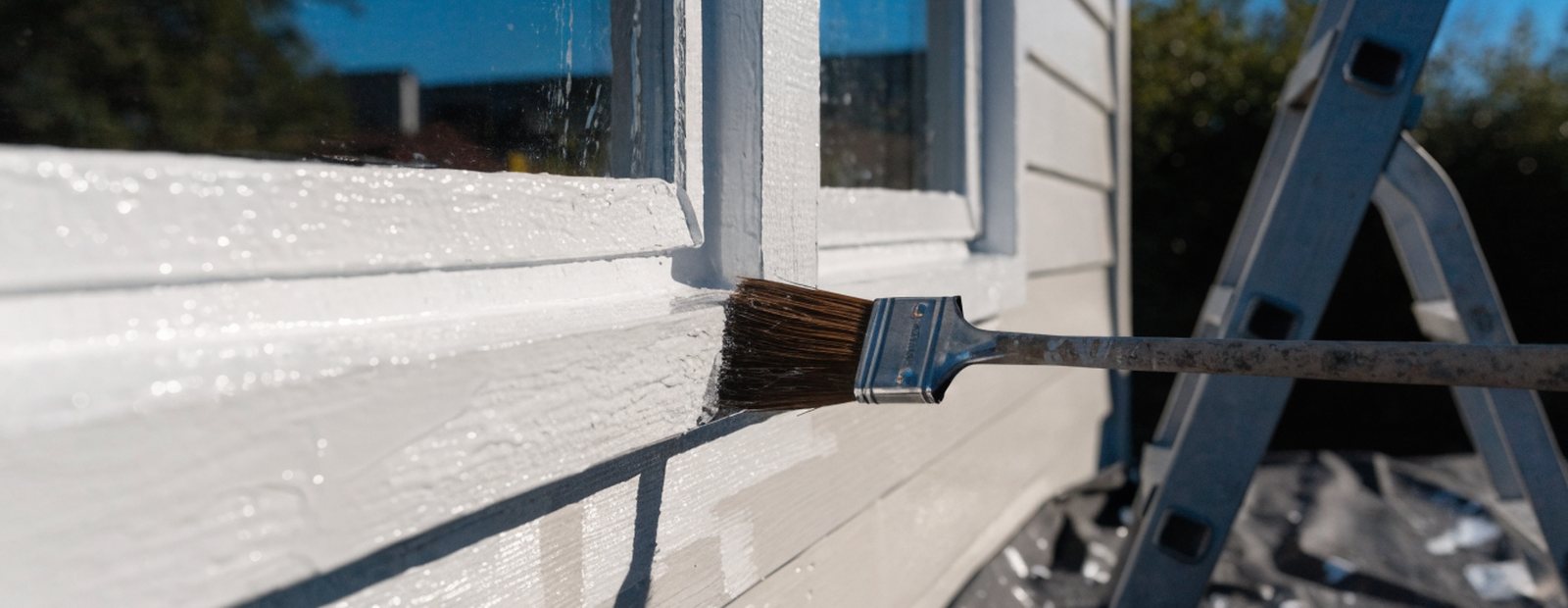
Ask three painters in Boise when the best time to paint a house is and you'll get three different answers — and they're all right, depending on what they're painting. The Treasure Valley has two real exterior painting windows: a spring window in May and early June, and a fall window from mid-September through mid-October. The wrong month here can mean a finish that fails in three years instead of ten.
Here's what each season actually does to your paint, and how to time the job right.
Why Timing Matters More Than the Paint
Modern exterior paint is genuinely impressive — but only if it's allowed to cure correctly. The label on a five-gallon bucket usually says something like "apply between 50°F and 90°F, with surface temps no more than 5°F warmer than air temps, with humidity below 85%."
In Boise, those numbers exclude a lot of the year:
- July and August afternoons routinely push siding surface temperatures over 130°F. Paint applied to that surface flash-dries and loses about 40% of its expected lifespan.
- Winter is cold enough that paint doesn't cure — it just freezes, and the binder never properly cross-links.
- Spring storms drop overnight temperatures below 40°F well into April, which kills cure quality even if the daytime hit 70.
The Spring Window: Mid-May to Mid-June
Once the overnight lows are reliably above 50°F (which usually lands around May 10–15 in Boise), you have about four good weeks before summer heat takes over. This window has the best combination of mild days, low humidity, and stable nights. The catch: this window books out fast. If you want spring paint, call a contractor in February or March.
The Fall Window: Mid-September to Mid-October
This is the underrated window. Days are warm but not punishing, nights are cool but rarely below 45°F until late October, and the air is dry. Paint cures beautifully. You also have less competition for scheduling, which often means lower quotes than spring jobs.
Watch the calendar carefully though. The Valley's first hard frost averages around October 20. You want the paint fully cured 48 hours before that frost, which means most fall work needs to wrap by October 10–15.
What to Avoid
- July and August. Especially on south- and west-facing walls. The surface temp problem is real.
- The week after a storm. Wood and stucco hold moisture longer than they look. Paint applied to "dry" siding 36 hours after rain often peels within a year.
- Late October–April. Even a 60°F afternoon doesn't help if the overnight low hits 38°F before the paint cures.
- Smoky days. When the air quality index spikes during wildfire season, fine ash settles into wet paint. You'll see it as a slightly textured, slightly gray finish in a year.
What About Stucco vs. Wood vs. Fiber Cement?
Wood siding
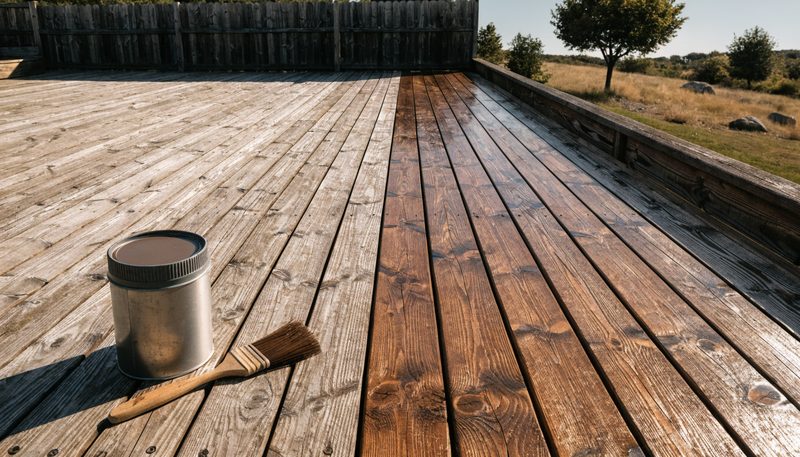
Most sensitive to humidity and cool nights. Wait for steady warmth. Wood expands and contracts more than other materials, so a flexible, high-quality acrylic latex is worth the extra $20 a gallon.
Stucco
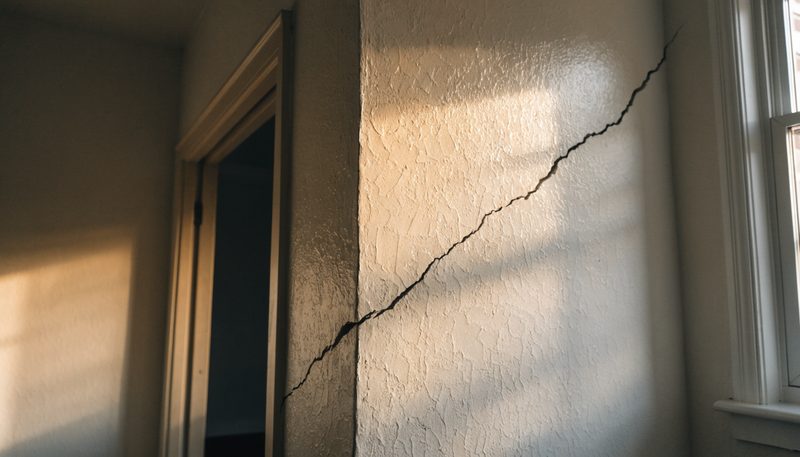
Common across newer Meridian, Eagle, and Star neighborhoods. Stucco needs a clean wash and any hairline cracks filled with elastomeric caulk before paint. The painting itself is forgiving — masonry paints have a wider application window than wood coatings.
Fiber cement (Hardie)
The easiest substrate to paint and the longest-lasting result. A good fiber cement repaint in the right window can hit 15 years.
How to know when it's time to repaint
Look at the south- and west-facing walls — they fade and chalk first. If you rub your hand on the siding and come away with paint pigment on your fingers ("chalking"), you're at the end of the finish's life. Cracks, peeling, or bare wood mean you should have repainted a year ago.
Small Painting Jobs Don't Need a Full Crew
Trim, doors, shutters, garage doors, and a single elevation can be knocked out in a day or two by a handyman. You don't need to wait for a full crew to refresh the front of the house. We handle painting and drywall for homes across the Valley — including the smaller jobs that big paint companies don't want.